
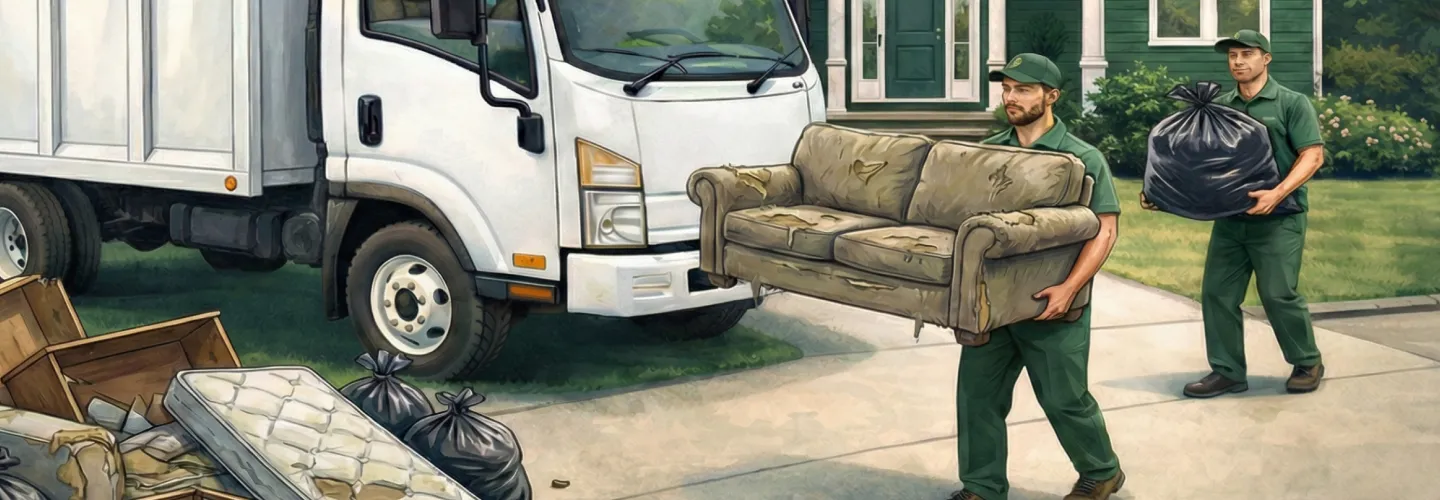
Maynard Hoarding Cleanup Services
Choose us for hoarding cleanup because we combine empathy, professionalism, and proven methods to restore safe, livable spaces—helping you or your loved ones reclaim comfort and peace of mind.
Get a Free QuoteOur Maynard Junk Removal Services
Hoarding Cleanup in Maynard, MA – Local Service Guide
Hoarding cleanup in Maynard, MA requires a sensitive, thorough approach tailored to local needs. Whether you’re in neighborhoods like Glenwood Cemetery or near the Assabet River Rail Trail, residents often seek help after major life events, seasonal cleanouts, or property transitions. For residential items—such as furniture, appliances, or electronics—timing often aligns with spring cleaning, estate transitions, or after severe weather. Local options include donation, recycling, or responsible disposal, with logistics shaped by driveway access, weather, and item size. Residential spaces like garages and basements see increased activity after storms or during annual cleanouts, especially in flood-prone areas or homes with heavy tree coverage. Commercial clients in downtown Maynard or along Main Street face unique needs, from discreet office cleanouts to large-scale retail or hospitality projects, often requiring after-hours service and careful coordination. Specialty services—like dumpster rental or estate cleanouts—are vital for foreclosures or construction debris, demanding careful planning and compliance with local rules and resources.
Benefits of Hoarding Cleanup in Maynard
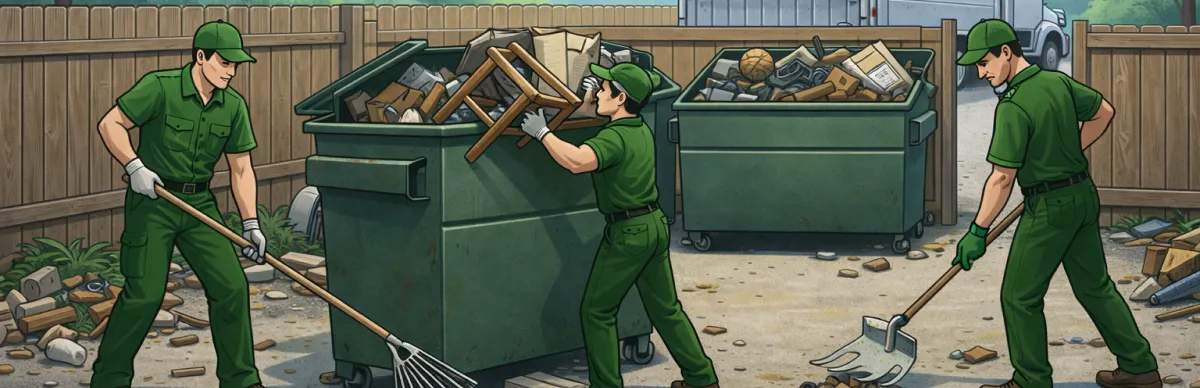
Compassionate and Discreet Service
Certified Cleanup Professionals
Fast and Reliable Response
Thorough Sanitization and Odor Removal
Customized Cleanup Plans
Safe Disposal of Hazardous Materials
Coordinating Hoarding Cleanup with Maynard’s Department of Public Works and Solid Waste Programs
Hoarding cleanup in Maynard requires strict adherence to municipal solid waste management protocols. The Department of Public Works (DPW) oversees bulk waste collection, transfer station access, and disposal permits. Residents must schedule bulk trash pickups in advance—typically, curbside collection is available on the first Monday of each month, with a maximum of two cubic yards per pickup. For larger hoarding cleanouts, self-hauling to the Maynard Transfer Station is permitted; the facility operates Monday through Saturday, 7:00 AM to 5:00 PM, and charges a minimum disposal fee of $10 or $35 per ton. All items must be sorted according to local guidelines, and proof of residency (such as a utility bill or ID) is required for access. Prohibited items, including hazardous waste and electronics, must be separated for proper disposal.
Department of Public Works
195 Main Street, Maynard, MA 01754
Phone: (978) 897-1317
Official Website: Department of Public Works
- Schedule bulk pickups at least 48 hours in advance
- Transfer station access requires resident ID
- Fees: $10 minimum, $35/ton for bulk waste
- Prohibited items must be separated
- Curbside collection: first Monday monthly
Ensuring Environmental Compliance: Maynard and Massachusetts Waste Disposal Regulations
Proper hoarding cleanup in Maynard must comply with both local and state environmental regulations. Massachusetts enforces landfill bans on electronics, mattresses, and certain hazardous materials, requiring these items to be recycled or disposed of at designated facilities. The Massachusetts Department of Environmental Protection (MassDEP) mandates that mercury-containing products, CRT monitors, and fluorescent lamps are not accepted in regular trash. Residents must utilize the Maynard Transfer Station or regional hazardous waste collection events for these materials. Violations of landfill bans can result in fines ranging from $100 to $500 per incident. All waste haulers operating in Maynard must be licensed and follow state solid waste management regulations.
Massachusetts Department of Environmental Protection
One Winter Street, Boston, MA 02108
Phone: (617) 292-5500
Official Website: Massachusetts Department of Environmental Protection
- Electronics and mattresses banned from landfill
- Hazardous waste requires special handling
- Licensed haulers only for large-scale cleanouts
- Fines for improper disposal: $100–$500
- Use regional hazardous waste events for chemicals
Permits, Code Enforcement, and Health Department Oversight in Maynard Hoarding Cases
Large-scale hoarding cleanup projects in Maynard may require coordination with the Building Department and Board of Health. If cleanup involves structural repairs, demolition, or removal of biohazardous materials, permits must be obtained prior to work. The Board of Health may issue abatement orders for properties posing health risks, and code enforcement officers can mandate remediation under local ordinances. Permit applications typically require 3–7 business days for approval, and fees vary by project scope. All contractors must provide proof of insurance and comply with OSHA safety standards. For properties in historic districts, additional review may be necessary. Residents should consult the city’s official website for permit forms and code requirements.
Building Department
195 Main Street, Maynard, MA 01754
Phone: (978) 897-1302
Official Website: Building Department
Board of Health
195 Main Street, Maynard, MA 01754
Phone: (978) 897-1302
Official Website: Board of Health
- Permits required for demolition or structural work
- Health department may issue abatement orders
- 3–7 business days for permit processing
- Proof of insurance and OSHA compliance mandatory
- Historic district projects require additional review
Recycling and Material Recovery Requirements for Hoarding Cleanup in Maynard
Maynard enforces strict recycling mandates for materials commonly found in hoarding situations. The town’s recycling program accepts paper, cardboard, plastics (#1–#7), and metals at curbside or the transfer station. Electronics, appliances, and mattresses are subject to Massachusetts landfill bans and must be brought to designated recycling centers. The Maynard Transfer Station accepts e-waste and appliances during regular hours, but refrigerants must be removed from appliances before drop-off. Residents are encouraged to donate usable items to local charities or reuse organizations. Failure to separate recyclables from trash may result in contamination fees or refusal of service.
- Curbside recycling: paper, cardboard, plastics, metals
- E-waste and appliances: transfer station drop-off only
- Mattresses: recycling required, not accepted in trash
- Appliances: refrigerant removal required
- Donation encouraged for usable goods
What Neighborhoods Do We Serve Throughout Maynard, MA?
- Downtown Maynard: Features historic buildings and mixed-use properties. Narrow streets and limited parking require advance coordination for cleanup vehicles and may necessitate smaller trucks or off-peak scheduling.
- Assabet Village: Primarily single-family homes with driveways, allowing easier access for removal teams. Older homes may contain lead paint or asbestos, requiring certified handling and compliance with EPA regulations.
- Maynard Crossing: Newer developments with wider streets and modern construction. HOA rules may require advance notification and restrict curbside placement of debris or dumpsters.
- Summer Hill Glen: Multi-family complexes with shared parking lots and stairwell-only access. Service elevator reservations and tenant notifications are often necessary for efficient cleanup.
- Rockland Avenue Area: Residential neighborhood with mature trees and overhead utility lines. Overhead clearance and driveway protection are important considerations for equipment placement.
- Great Road Corridor: Commercial and retail properties with loading docks and business hour restrictions. Coordination with property managers and adherence to commercial waste regulations are required.
- Concord Street District: Mix of older homes and small businesses. Street width and parking limitations may require special permits for vehicle access and temporary street closures during large-scale cleanouts.